2019, 2020, and 2021 in a nutshell
When we started Qovery in October 2019, we were 3 - Pierre (CTO), Morgan (CRO), and I (CEO). No user, no employee, no product. Today:
2021 has been a crazy year for the Qovery team. When I look back, 1 year ago we were 4 in the team, now we are 15! We expect to double the size of the team for 2022 while keeping our developer DNA. 2022 looks bright, and we strive to make the cloud simple for everyone.

When we started Qovery in October 2019, we were 3 - Pierre (CTO), Morgan (CRO), and I (CEO). No user, no employee, no product. Today:
At Qovery, we build the future of the cloud, and to succeed in our journey, we need to give access to the most expected features by our customers. For 2022, you can expect to see the support of the Cronjobs, Lambdas, and even a Marketplace. We also plan to support 2 new cloud providers, Google Cloud Platform and Microsoft Azure. Check out our public roadmap for further details.
Since we launched Qovery in January 2020, we have dedicated our time to making our platform production-ready for our customers. We took 2 years to build a product that you can use every day with extraordinary stability and excellent performance. The Qovery v3 will deliver the best Developer Experience out there. I am not going to give more details about it. But if you were delighted to use Qovery v2, you will be shocked how Qovery v3 will revolutionize the way you ship your products. Stay tuned; we will talk more about it in January 2022.
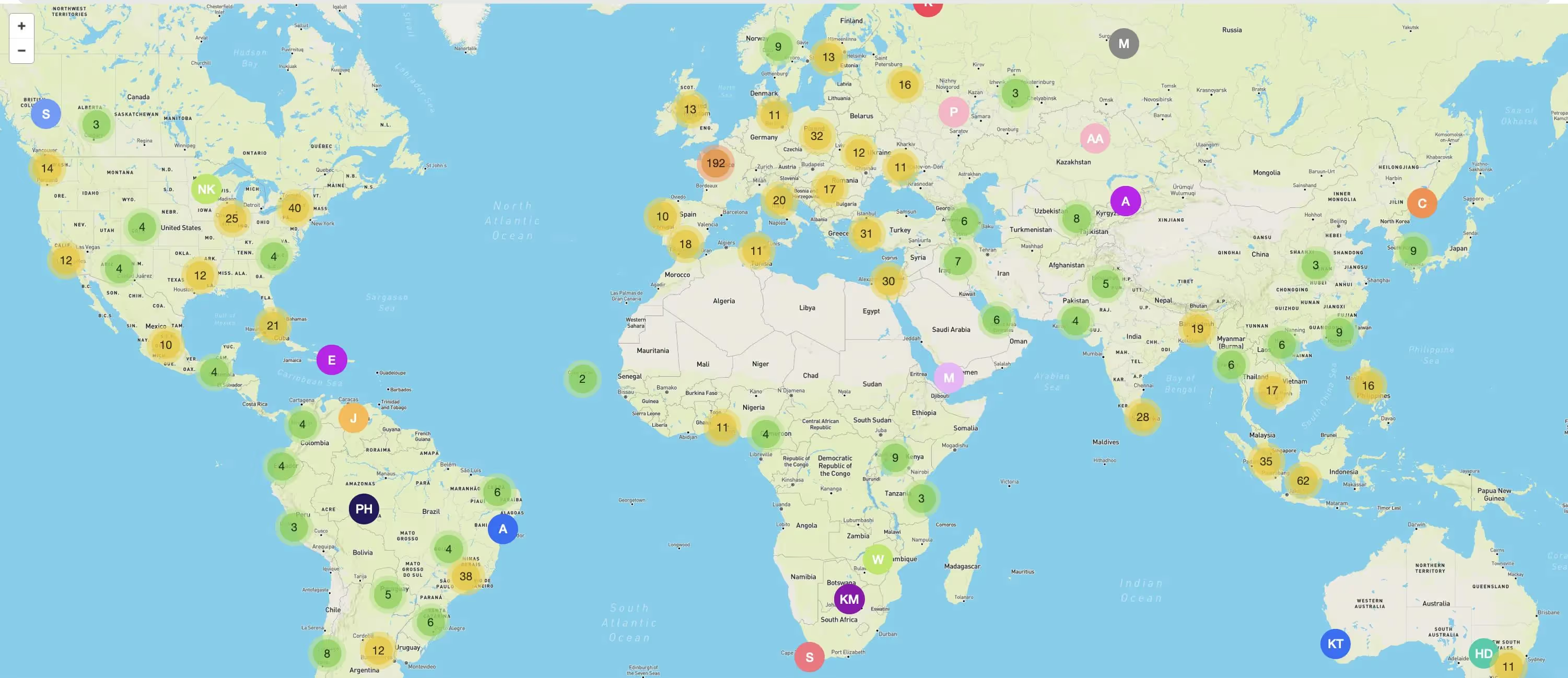
First of all, thanks to all our customers in North America, South America, Europe, Africa, Asia, and Australia. We are so grateful for the trust you’ve placed in us, and our team is dedicated to making you succeed in your journey. We can’t wait to see what we will build together in 2022.
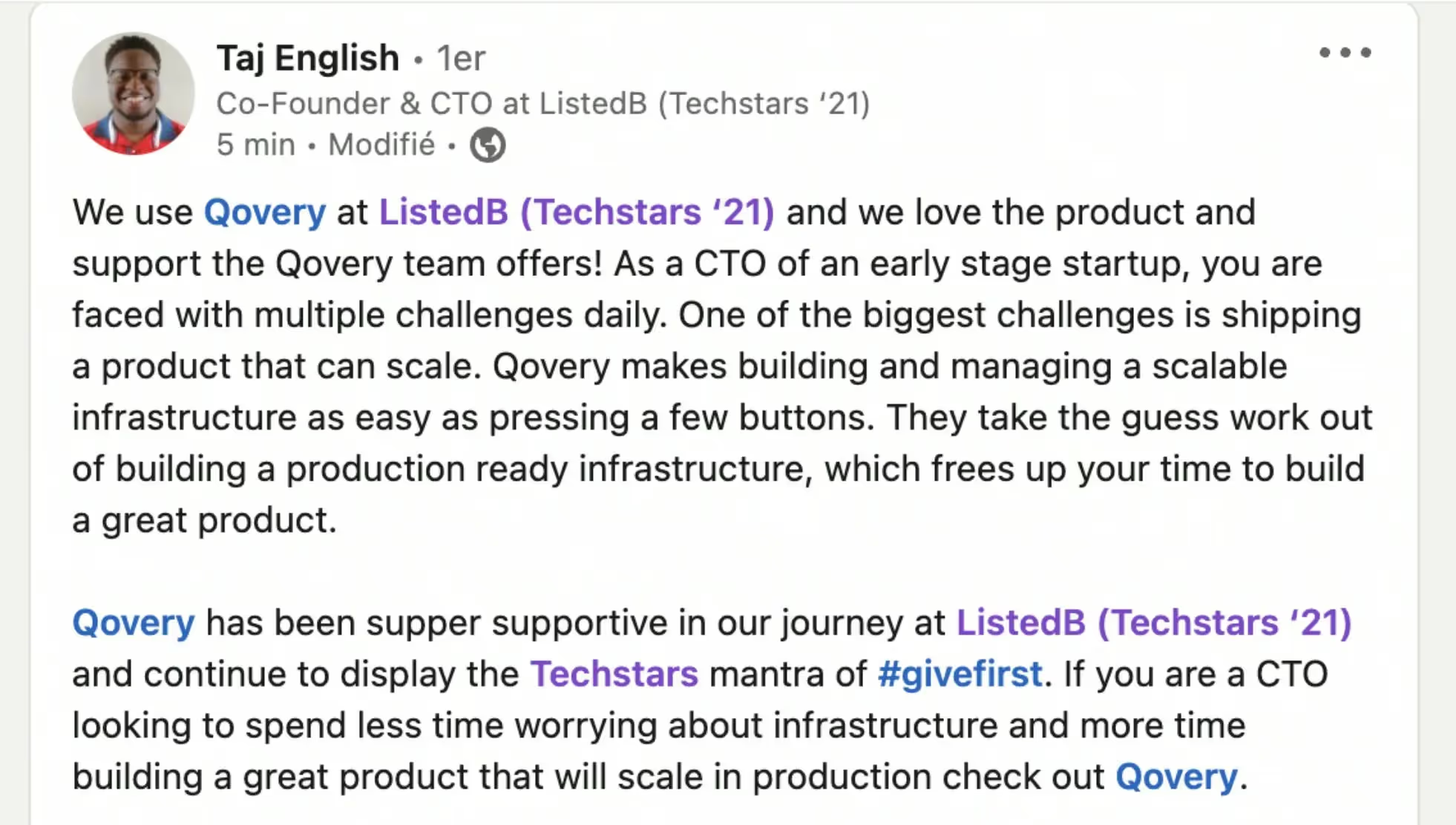
In 2022, we will continue to invest in support and close contact with our customers. It is part of what we call the “Qovery Experience”. Running production infrastructure deserved a high-quality product and team. We will continue investing in the Qovery Experience to make our customers successful in what they build.
We proudly own the domain meta.cloud and we didn’t want to sell it to… {you know who}. Our plan since day 1 is to build the future of the cloud. Meaning, helping the next generation of developers to build the next generation of applications in the cloud. And for that, we need to start to build the main foundations. Helping junior, experienced, senior developers to deploy their applications in the cloud is the first milestone. We will talk about the second milestone in the coming weeks. Stay tuned!
Needless to say, to reach the very high level of our ambitions, we are hiring talented people. Check out our open positions here.
The Qovery team is ready to paint the cloud world purple. And speaking of “purple”: Pantone just announced the color of the year 2022. And guess what, it’s a shade of purple! A sign? I like to think so.
2022 looks already an extraordinary one!
--
Thank you! We would seriously not have done this without you and we hope you are as excited and pumped for 2022 as we are!
All the best to you and your loved ones,
The Qovery team
Romaric founded Qovery to make Kubernetes accessible to every engineering team. He writes about platform strategy, developer experience, and the future of cloud infrastructure.
Qovery ensures every agent action is scoped, audited, and policy-checked. Start deploying in under 10 minutes.